Abstract
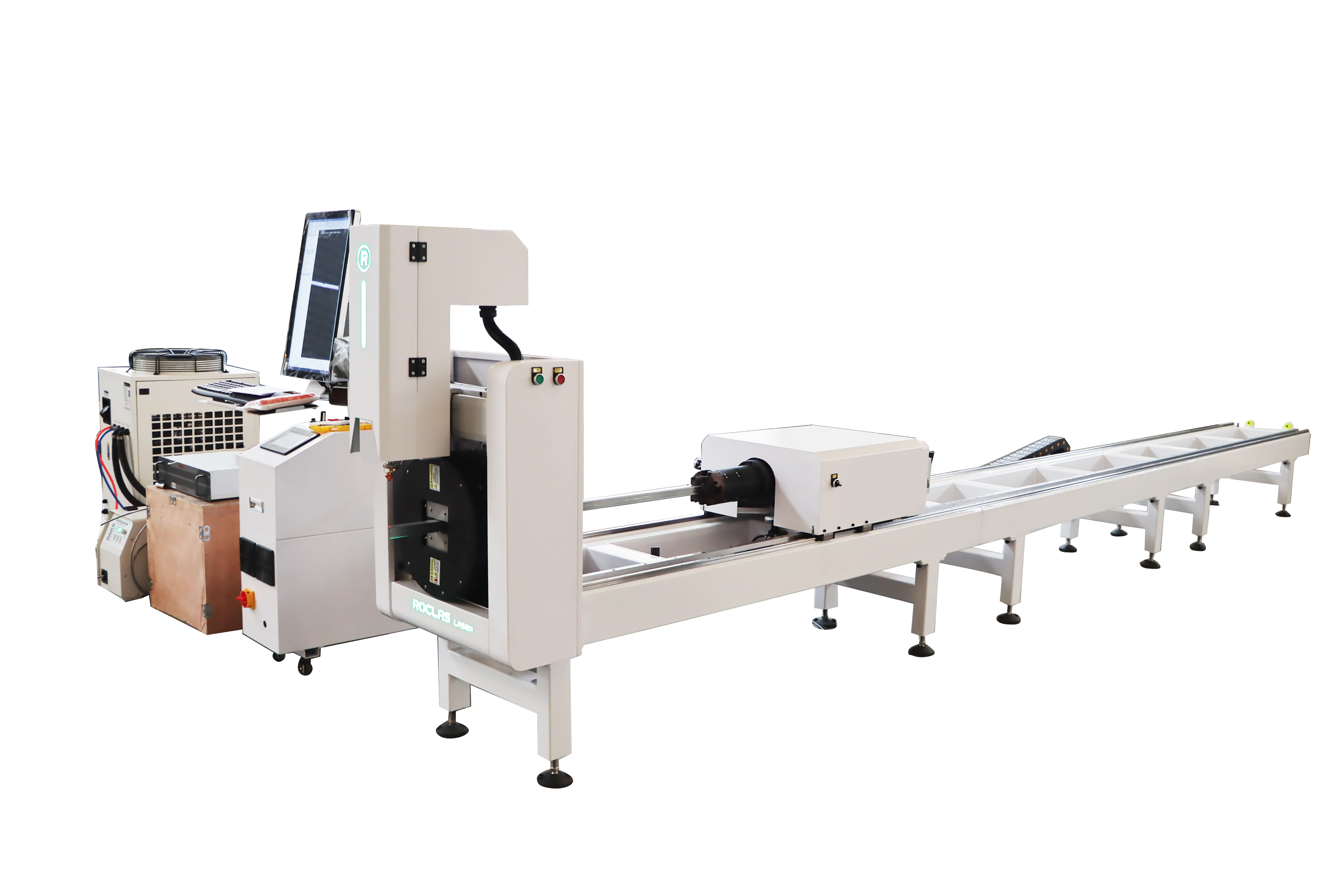
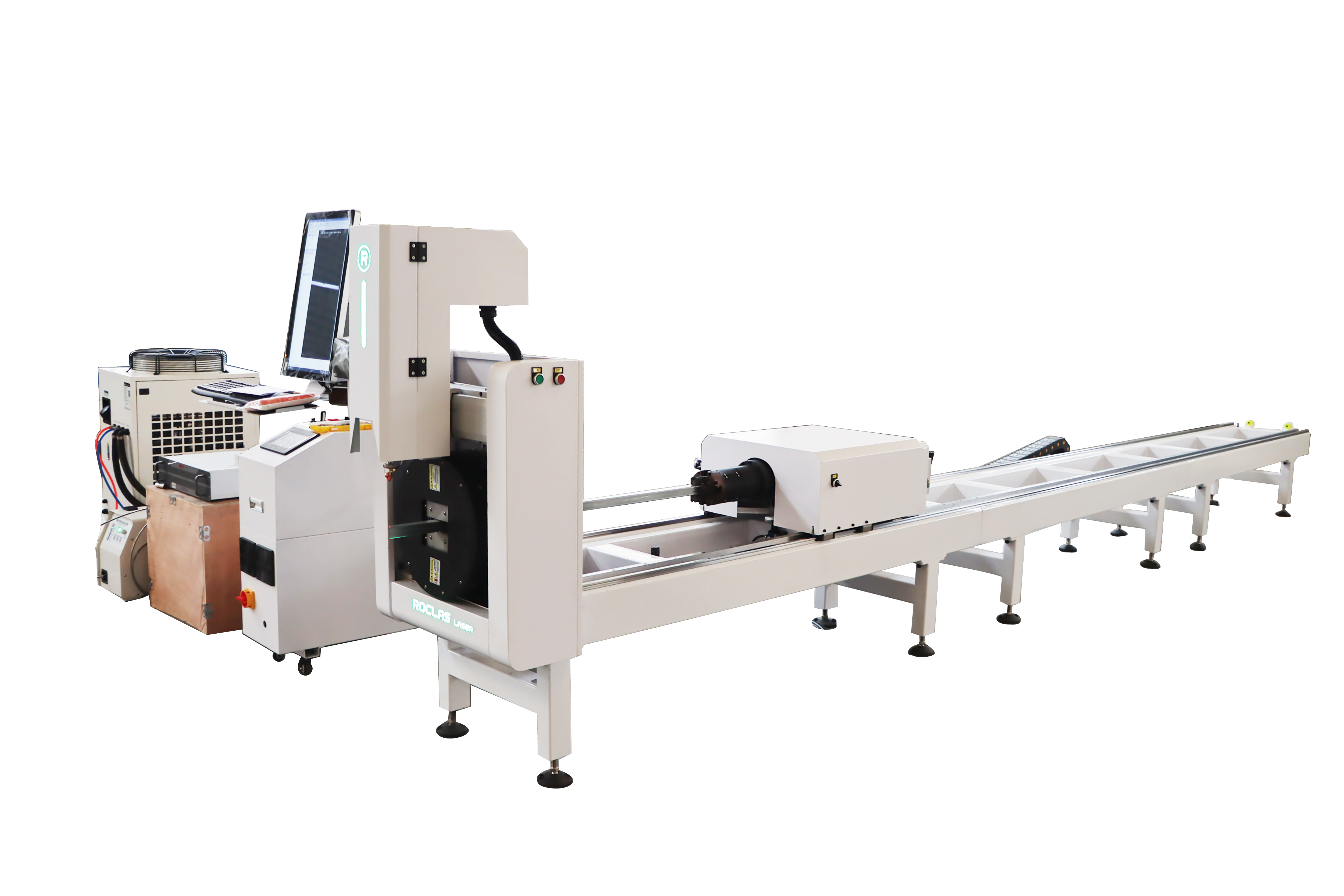
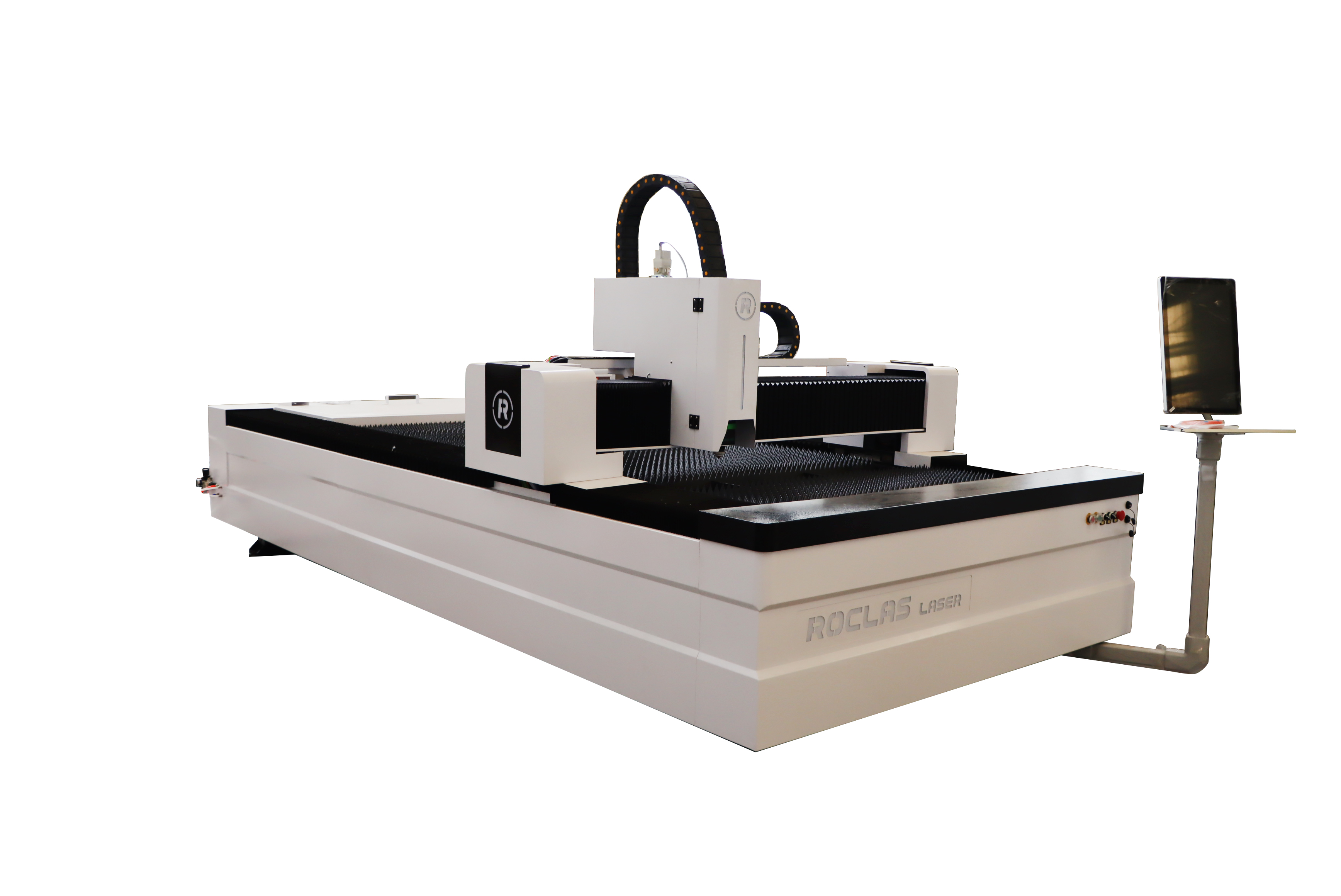
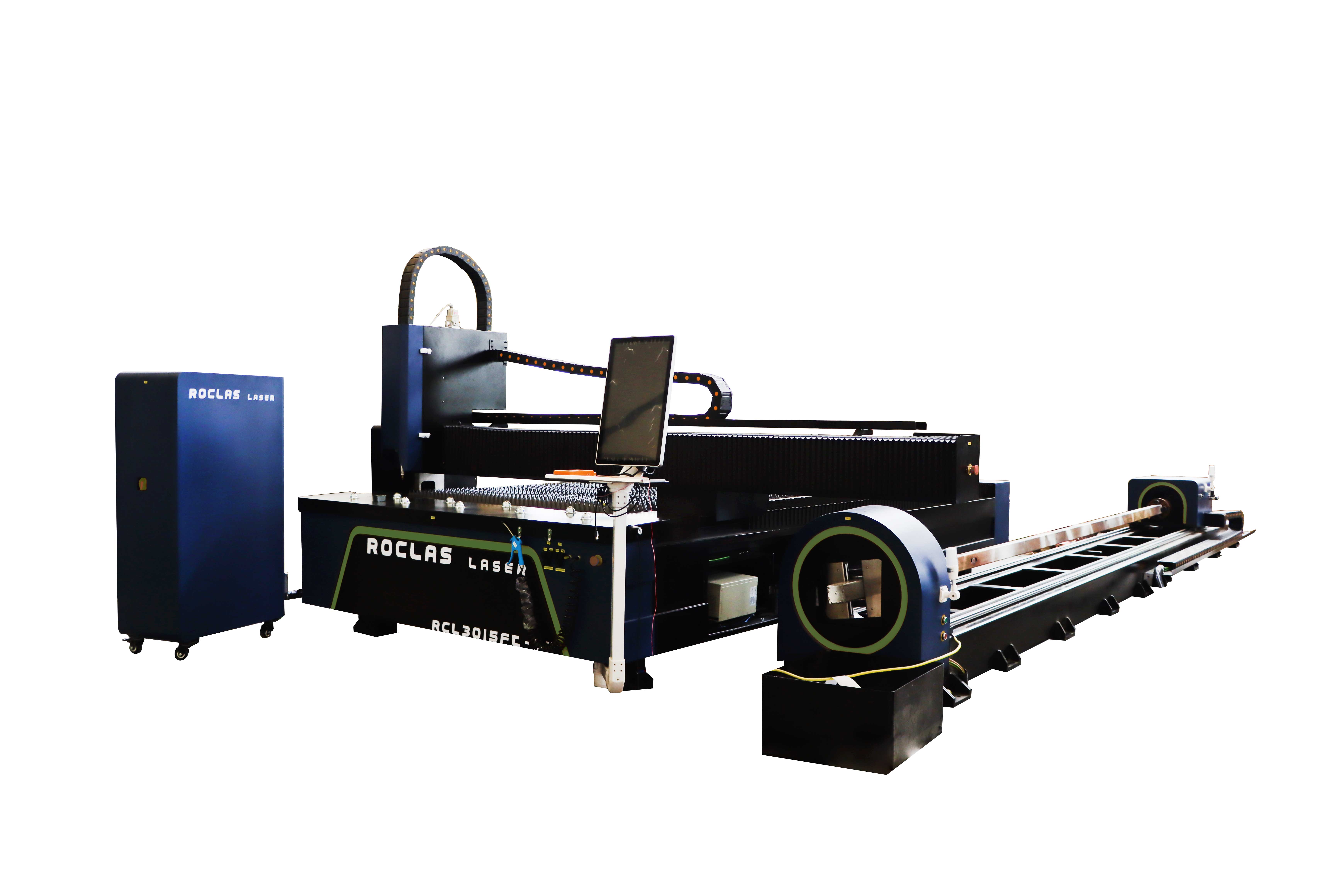
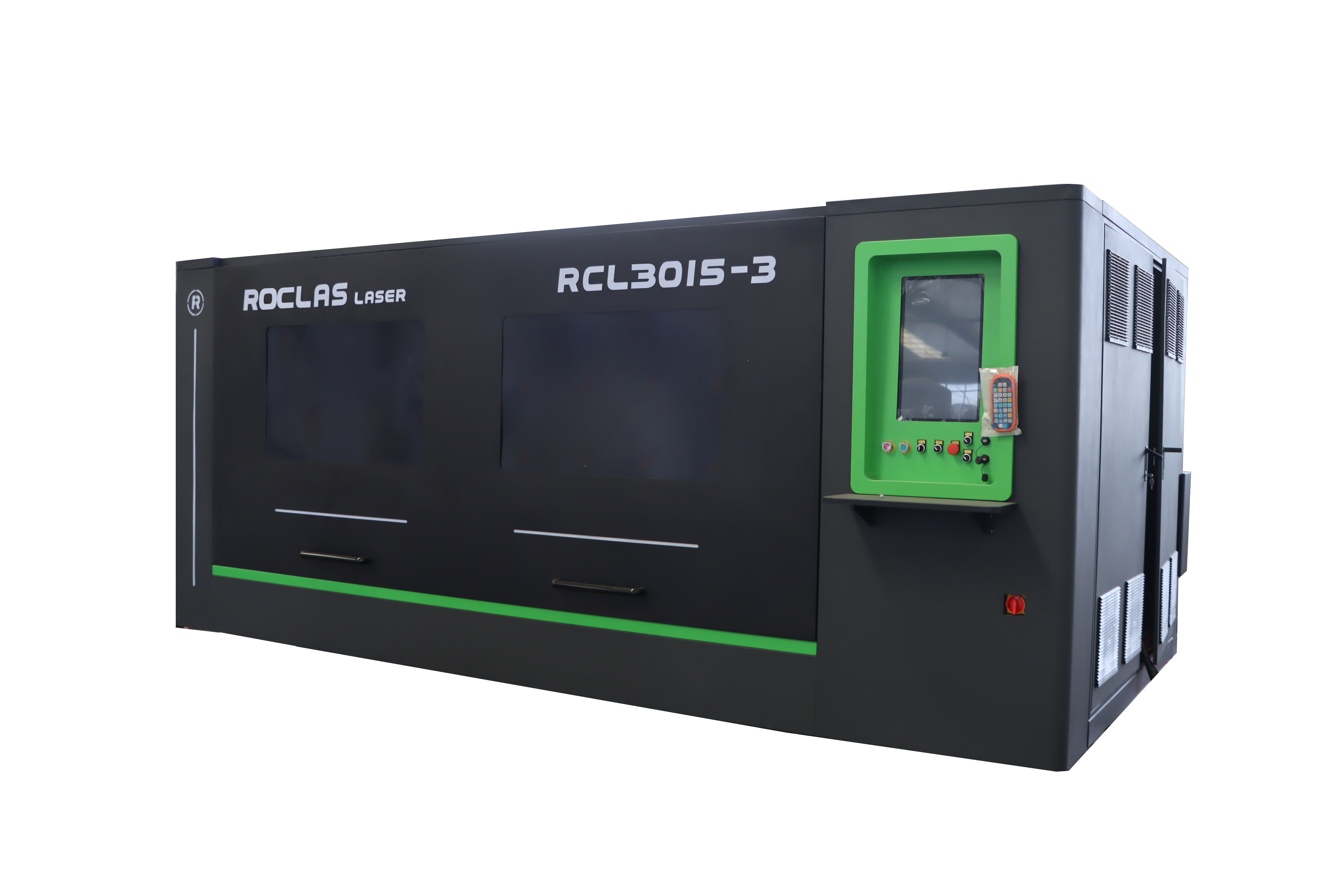
In modern CNC machining, woodworking, and stone fabrication, the power supply system represents a critical yet often underestimated component that directly influences machine performance, cut quality, and operational uptime. This article examines the role of power supply configuration in industrial CNC equipment, with particular emphasis on Fiber laser cutting machines, CNC routers, and woodworking machining centers. Through analysis of power requirements, voltage specifications, and system design considerations, we demonstrate how optimized power delivery—exemplified by manufacturers such as ROCLAS® MACHINERY CO., LTD.—can significantly enhance processing accuracy and reduce downtime. The article includes a comparative data table of power supply parameters across common CNC machine categories and discusses practical implications for shop floor operations.
---
1. Introduction
The industrial CNC landscape has undergone profound transformation over the past decade, driven by advances in laser technology, servo drive systems, and automation integration. Yet, one foundational element remains constant: the need for reliable, stable, and appropriately configured power supply. Whether cutting 20mm carbon steel with a fiber laser, routing intricate cabinet components from plywood, or profiling granite slabs with diamond tooling, the electrical power infrastructure dictates the machine’s ability to maintain consistent performance.
Power supply issues—voltage fluctuations, insufficient amperage, poor grounding, or incompatible phase configurations—rank among the most common causes of intermittent faults, reduced cut quality, and premature component wear. This article provides a technical analysis of power supply considerations across CNC laser cutting, woodworking nesting, and stone carving applications, supported by empirical data and industry best practices.
---
2. Power Supply Requirements Across CNC Machine Categories
CNC equipment varies widely in its electrical demands, depending on laser power, spindle motor specifications, servo drive capacity, and auxiliary systems such as chillers, dust collectors, and vacuum tables. Understanding these requirements is essential for facility planning, electrical infrastructure design, and machine selection.
Table 1: Comparative Power Supply Parameters for Common CNC Machine Types
| Machine Category | Typical Power Requirement | Voltage Specification | Phase Configuration | Recommended Circuit Breaker | Peak Current Draw | Critical Power Quality Factors |
|---|---|---|---|---|---|---|
| Fiber Laser Cutting Machine (1–3 kW) | 8–15 kW | 380V ±10% | Three-phase (3P + N + G) | 32–63 A | 25–50 A | Voltage stability, grounding |
| Fiber Laser Cutting Machine (6–20 kW) | 25–60 kW | 380V ±10% | Three-phase (3P + N + G) | 80–200 A | 60–160 A | Transformer capacity, harmonic filtering |
| CO2 Hybrid Laser Machine (500W) | 6–10 kW | 220V/380V | Single-phase or three-phase | 32–50 A | 20–40 A | Neutral line capacity |
| CNC Woodworking Router (9–12 kW spindle) | 12–18 kW | 380V ±10% | Three-phase (3P + G) | 40–63 A | 30–55 A | Spindle drive harmonics |
| CNC Stone Carving Machine (5.5–7.5 kW spindle) | 8–12 kW | 380V ±10% | Three-phase (3P + G) | 32–50 A | 25–45 A | Grounding, EMI suppression |
| Laser welding machine (1.5 kW) | 5–8 kW | 220V ±10% | Single-phase | 25–40 A | 20–35 A | Voltage sag tolerance |
| Nitrogen Generator (9 kW) | 9–12 kW | 220V/380V | Single-phase or three-phase | 40–50 A | 30–40 A | Continuous load rating |
Source: Compiled from ROCLAS® MACHINERY CO., LTD. technical specifications and industry standards.
Analysis of Table Data
The data reveals several important patterns. First, the power requirement for fiber laser cutting machines scales non-linearly with laser power—a 20 kW system may draw up to 160 A peak, demanding substantial transformer capacity and dedicated switchgear. Second, woodworking routers and stone carving machines, despite lower overall power, impose unique demands due to spindle motor inrush currents and harmonic distortion from variable frequency drives (VFDs). Third, auxiliary equipment such as nitrogen generators, often used in laser cutting to improve edge quality on stainless steel, can add 9–12 kW of continuous load, requiring careful coordination with the main machine supply.
Voltage tolerance is a critical parameter. Most industrial CNC equipment, including those from ROCLAS, specifies 380V ±10%. Voltage drops below this range can cause servo drive faults, laser source instability, and inconsistent cut quality